BLOG CONTENT
Category: News and Updates
-
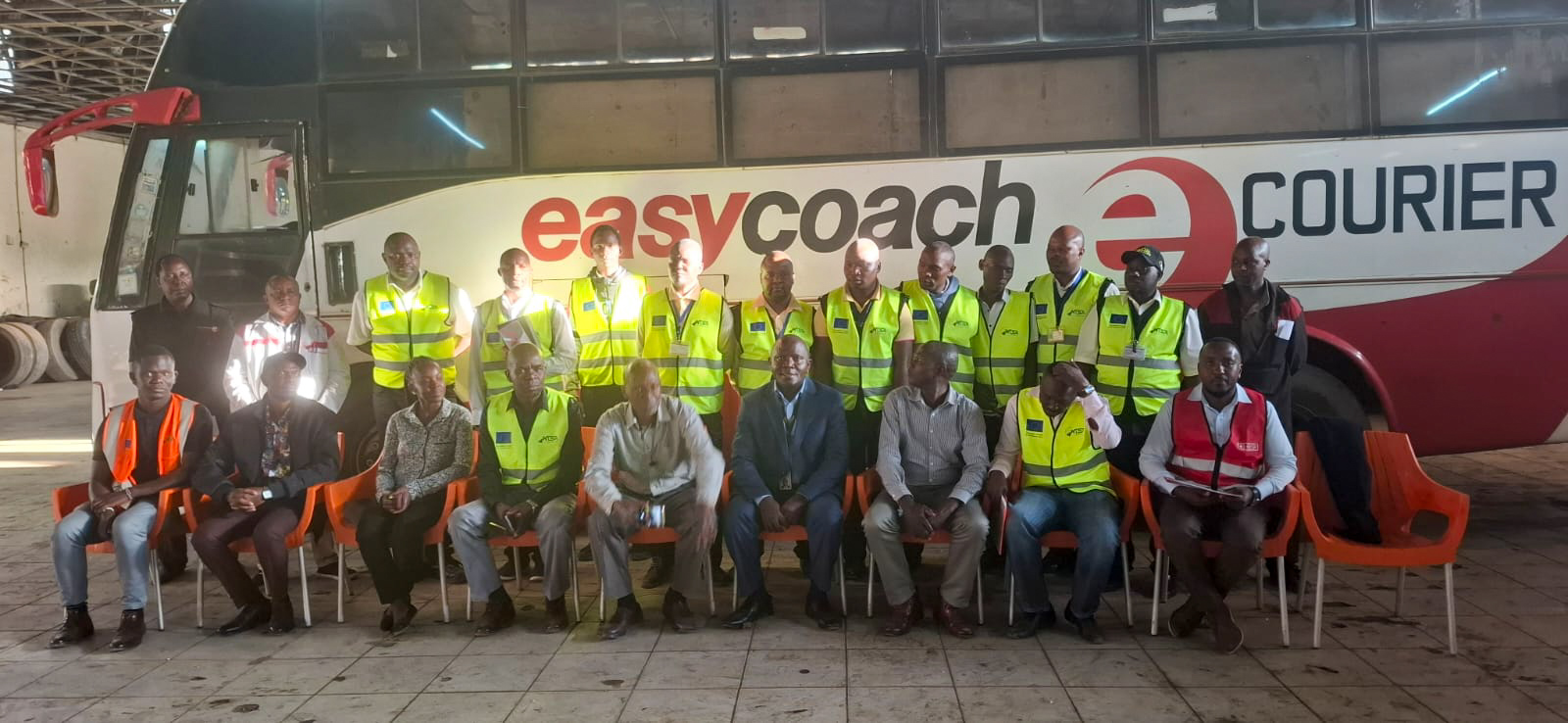
Tuk Tuk operators embrace electric models as they join push for greener future
In Summary
- Speaking at a pre-launch event in Nairobi, the network’s national chairperson, Vincent Were, said the move aligns with President William Ruto’s call for domestic solutions to climate change.
- “We are welcoming innovations that will empower our operators through affordable, reliable, and modern mobility solutions,” Were said.
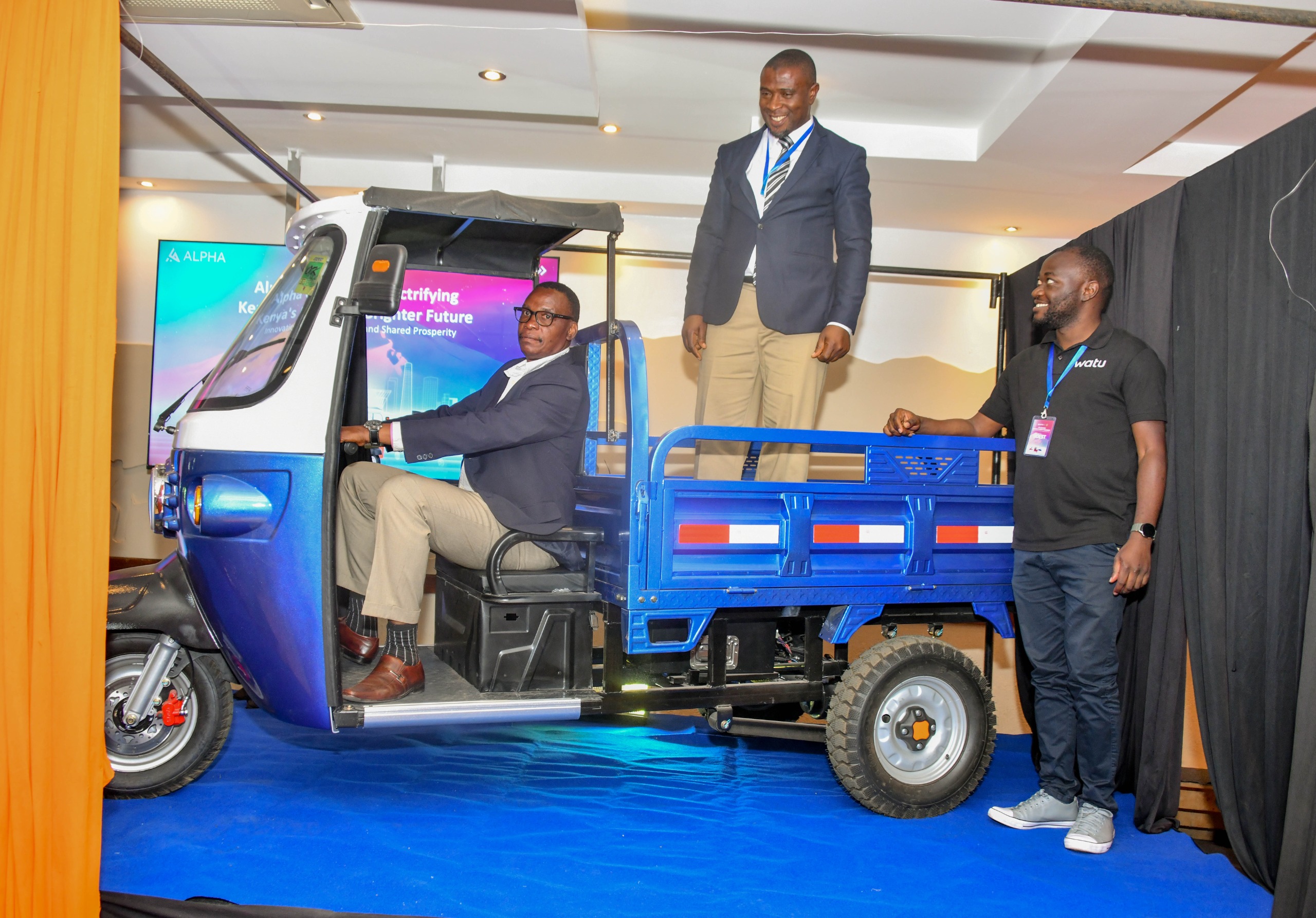
Mombasa-based Tuk Tuk operator Agnew Omanga do a test drive of the Alpha electric Tuk Tuk on board is Alpha E-Mobility Manager, Nigeria Ibrahim Suleiman, as Watu Credit head of Commercial Chris Rumenda looks on during the pre-launch of the Alpha electric Tuk Tuk at Ole Sereni hotel, Nairobi on August 26, 2025/HANDOUT Kenya’s Tuk Tuk operators are set to join the country’s climate action efforts by adopting electric Tuk Tuks, aiming to reduce emissions and support clean energy.
The initiative, led by the Tuk Tuk Operators Network in partnership with the National Transport and Safety Authority (NTSA), seeks to accelerate the shift to affordable and sustainable transport solutions.
Speaking at a pre-launch event in Nairobi, the network’s national chairperson, Vincent Were, said the move aligns with President William Ruto’s call for domestic solutions to climate change.
“We are welcoming innovations that will empower our operators through affordable, reliable, and modern mobility solutions,” Were said.
“The aim is to cut down harmful emissions, helping our towns and cities breathe cleaner air.”
NTSA’s Road Safety Manager, Samuel Musumba, said the adoption of electric Tuk Tuks will lower operating costs while reducing reliance on fossil fuels.
“We are embracing green energy on our roads while eliminating noise pollution and ensuring communities have access to safe and inclusive transport solutions,” he said.
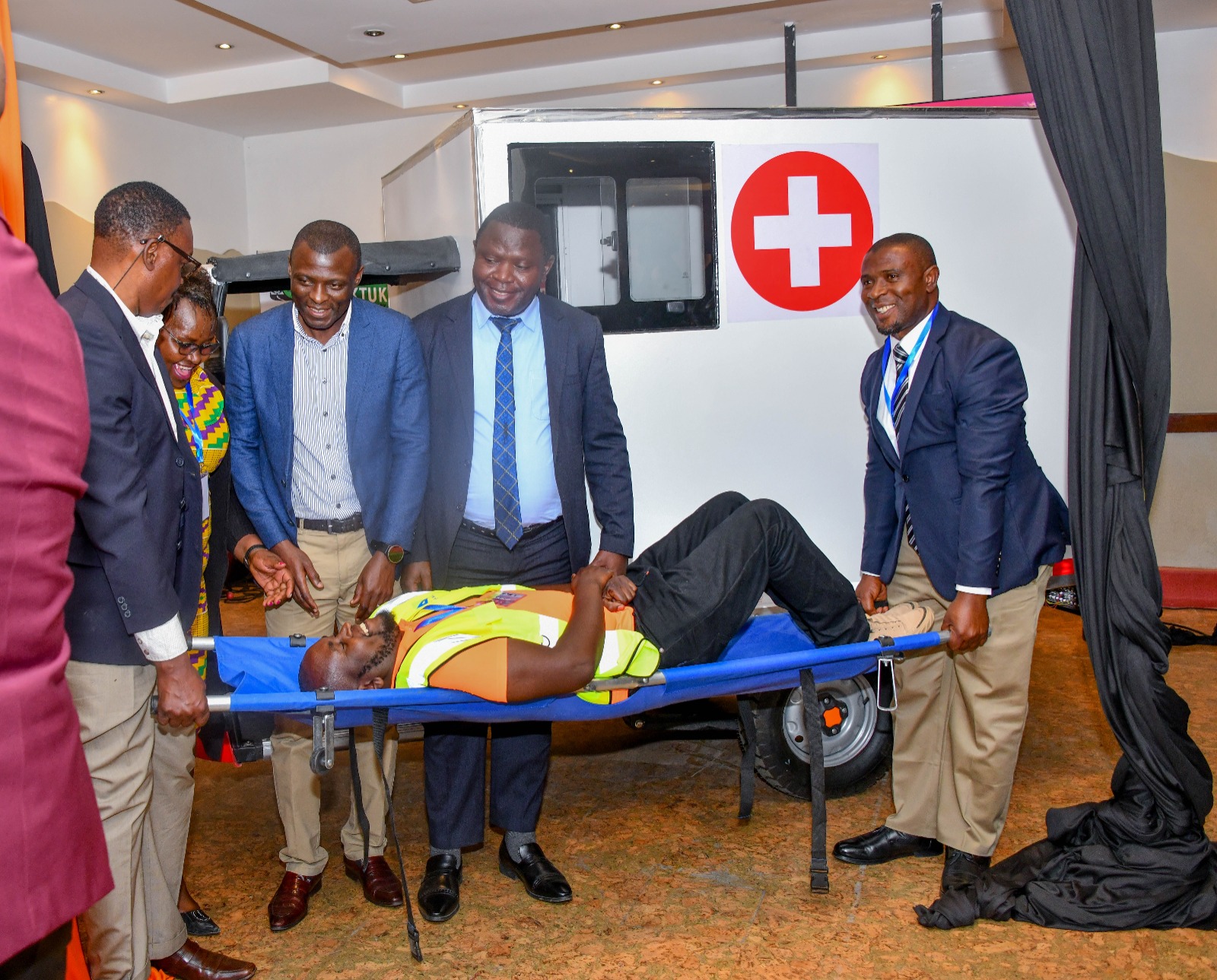
Alpha E-Mobility Manager, Nigeria, Ibrahim Suleiman, and Mombasa-based Tuk Tuk operator Agnew Omanga, carry Central-based tukTuk operator Karanja Mwago, as Senior Road Safety, Policy and Programs management expert, Samuel Musumba, National Chairman, Tuk Tuk Operators Network, Vincent Were, and Kenya Country Chair, Renewable Energy and Green Alternatives, Faith Waraki, look during the pre-launch of the Alpha electric Tuk Tuk at Ole Sereni hotel, Nairobi on August 26, 2025/HANDOUT Musumba added that Tuk Tuk operators will benefit from the cost-effectiveness of the new models. He noted that Kenya is seeking solutions through a bottom-up approach to address the country’s various needs.
“Innovation is supposed to serve the people, and today we can say we are on record for finding solutions. These Tuk Tuks are game changers when it comes to transforming lives,” he said.
Kenya has an estimated 205,000 Tuk Tuks in operation, with numbers growing rapidly in urban centers. The NTSA noted that innovations in electric models now extend to ambulance variants, marking a first in the country.
-

Why Transport Safety Is Everyone’s Responsibility: More Than Just Regulations
Beyond the Checklist: A Culture of Safety
Transport safety starts with regulations, but it doesn’t end there. While laws provide structure, true safety comes from a shared culture of awareness and proactive action. Companies that go beyond compliance — investing in ongoing training, real-time monitoring, and feedback systems — create environments where safety is second nature. Drivers know their limits, dispatchers plan for weather and fatigue, and leadership invests in technology that reduces blind spots, both literally and figuratively.
Technology as a Safety Partner
Advancements in telematics, dashcams, and AI-powered driver alerts are reshaping the industry. These tools help identify risky driving behaviors like hard braking, speeding, and drowsiness in real-time. For safety-focused companies, this data isn’t about punishment — it’s about prevention. It allows for coaching, not just correction. The result? Fewer incidents, lower insurance premiums, and, most importantly, lives saved.
Training That Sticks
Transport safety training can’t just be a one-time event. It needs to be integrated into the culture — updated regularly and reinforced in everyday operations. The best training programs focus not only on what to do but why it matters. When employees understand the human cost of unsafe practices, they’re far more likely to stay alert, speak up, and make smart decisions on the road.
Leadership Sets the Tone
A strong safety culture is led from the top. Leaders who prioritize safety in words and actions set the tone for the entire organization. That means allocating budget to safety tech, rewarding incident-free performance, and responding quickly and seriously to reports of near-misses or concerns. Employees need to feel safe reporting issues — and confident that they’ll be addressed without fear of retaliation.
Final Thoughts
Transport safety is not a checkbox — it’s a commitment. Every stakeholder, from drivers to dispatch to C-suite executives, has a role to play. By fostering a culture where safety is everyone’s job, we don’t just comply with the law — we create an environment where people get home safely, every single time.